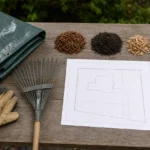
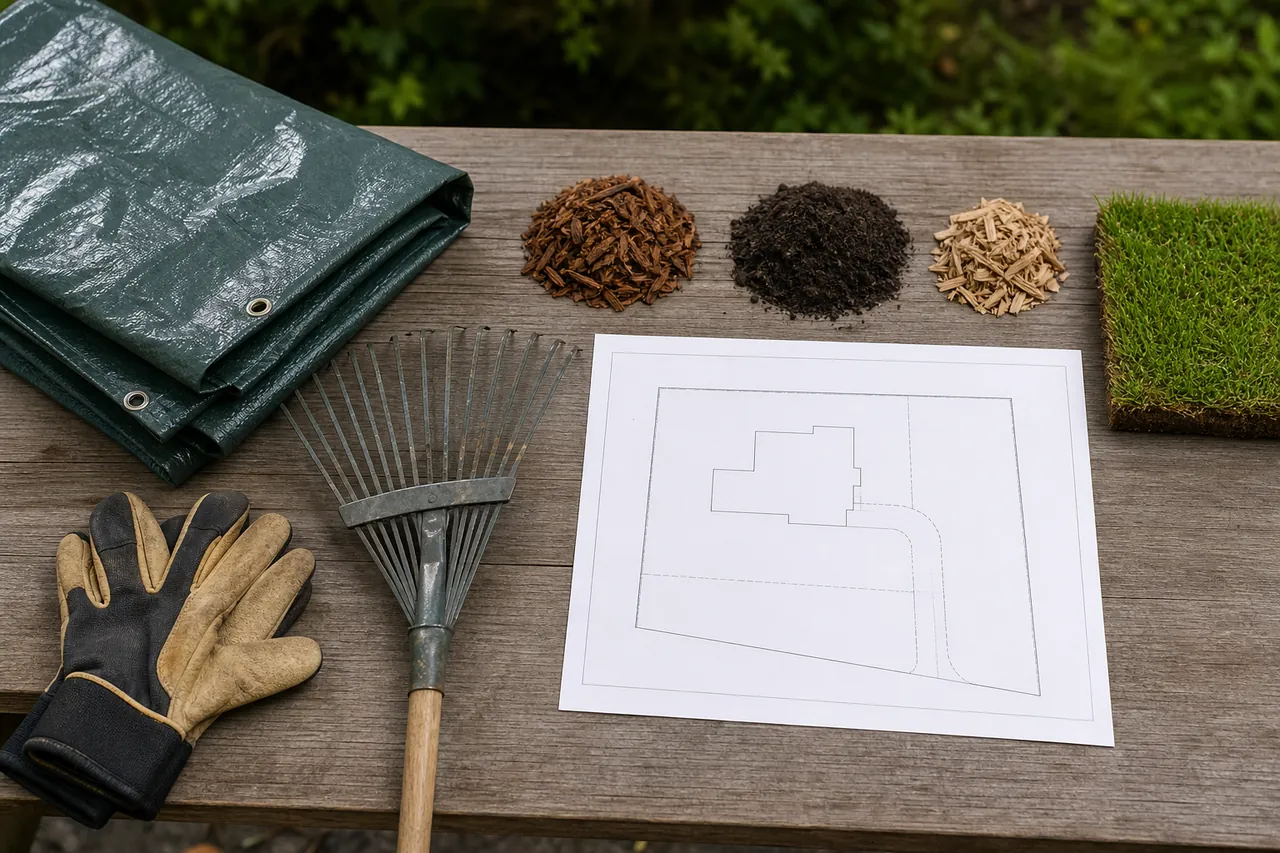
Tree work can produce logs, branches, chips, sawdust, leaves, stump grindings, disturbed soil, and equipment marks. These materials do not all fall under the same idea of “cleanup.” Planning their destination and the expected condition of the site prevents a completed tree scope from ending with unanswered restoration questions.
List the Material Streams
Ask the provider to separate large wood, firewood-length pieces, brush, chips, fine debris, and stump grindings in the written scope. Decide what will leave the property and what will remain. If wood or chips are being retained, define the quantity or source, piece size when relevant, and exact placement.
Do not assume fresh wood is suitable for indoor burning, woodworking, play surfaces, or plant beds. Moisture, species, pests, decay, and processing needs may affect later use. Treat reuse as a separate decision from tree removal.
Define the Cleanup Area
Identify the work zone, equipment route, staging location, and any area where limbs may be lowered. “Rake clean” or “broom clean” should be tied to a named surface. Lawn, planting beds, gravel, roof areas, pavement, neighboring property, and public paths may require different approaches.
Before work, move portable fragile items when it is safe and photograph existing pavement, fences, beds, and turf. Point out irrigation, drainage, lighting, shallow utilities, and hidden landscape features. The provider can then explain what protection is practical and what remains outside the tree scope.
Plan for Stumps and Grindings
If a stump remains, record its approximate finished height and mark the area so it does not become an unexpected trip or mowing hazard. If grinding is included, specify depth, accessible surface roots, and material handling. A ground stump often produces more chip-and-soil mixture than the original hole can hold.
Clarify whether grindings will be removed, spread, piled, or used to backfill the depression. Imported soil, final grading, seeding, replanting, and settlement correction may not be included. The area should be made appropriately stable for handoff, with later landscaping responsibilities named.
Address Equipment Effects and Surface Repair
Heavy or repeated access can compress soft ground or leave ruts, especially after wet weather. Ask what ground protection is planned and what happens if conditions change before the appointment. Fence removal, temporary access panels, damaged edging, and surface washing should each have an assigned responsibility.
Paving cracks, roof damage, irrigation repairs, and structural work require clear documentation and may call for another trade. Avoid vague promises to “restore everything”; define observable tasks and exclusions.
Walk the Site Before It Is Reset
At completion, compare the work area and access route with the starting photographs. Confirm retained wood and chips are in the agreed locations, stumps are marked or treated as scoped, and paths and driveways are usable. Record any open rut, depression, fence item, surface repair, or planting task.
Keep children and pets away from holes, unstable piles, and active equipment areas until the provider has completed the handoff.
A detailed debris and restoration plan gives tree crews a clear endpoint and property owners a realistic next step. It recognizes that removing or pruning a tree is one operation, while handling the resulting material and returning the surrounding site to an agreed condition is another.